
Surfers wear ear plugs for a simple reason: to keep cold water, wind, and bacteria out of the ear canal. But not all ear plugs are created equal. Some block sound too much, others fall out during a duck dive, and a few simply don’t seal properly once you hit the water. The real challenge is knowing whether a pair actually works before you commit to wearing them session after session. This guide walks you through practical, reliable ways to test waterproof surf ear plugs so you can surf with confidence and avoid the guesswork.
Why Testing Surf Ear Plugs Matters More Than You Think
You cannot judge an ear plug’s performance by how it looks or feels on land. The ocean introduces pressure changes, head movement, and water flow that completely change how a plug behaves. A plug that feels snug in your living room might shift the moment you hit a wave. Testing properly helps you identify three critical things: whether the seal holds under pressure, whether the plug stays seated during movement, and whether the material remains comfortable over a long session.
Surfer’s ear, the bony growths that develop from repeated exposure to cold water and wind, is a real concern for regular surfers. The right ear plug reduces that risk, but only if it actually seals. A poorly fitted plug gives you a false sense of protection, which is arguably worse than wearing nothing at all because you stay in the water longer than you should.
The Dry Land Test: Checking Basic Fit and Seal
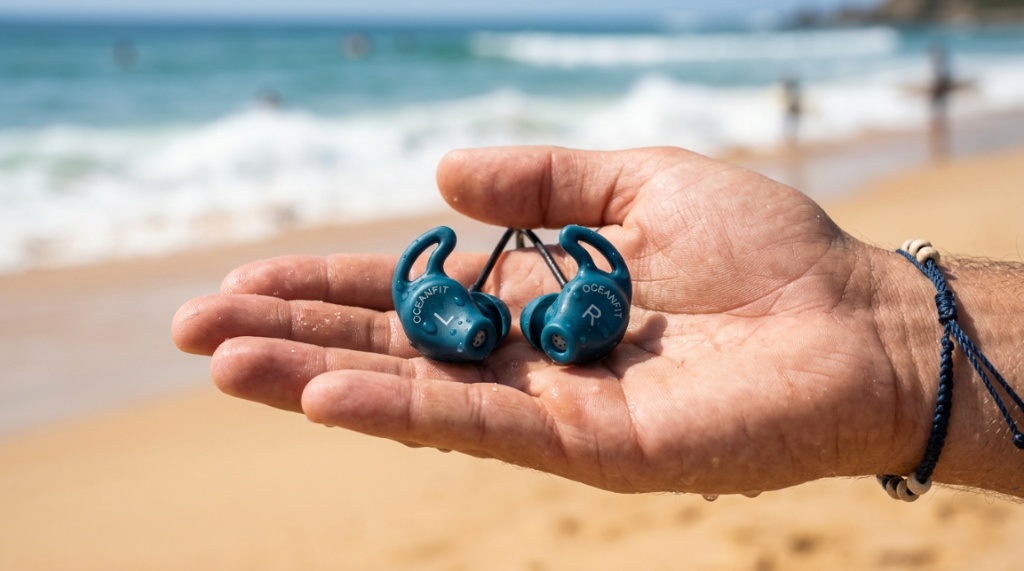
Before you even think about paddling out, you need to verify that the plug fits your ear anatomy. Everyone’s ear canal is slightly different in shape and angle, so a plug that works for your friend may not work for you.
The Suction Test
Insert the plug according to the manufacturer’s instructions, then gently press the center of the plug with your fingertip. A proper seal creates a slight suction effect. When you release your finger, the plug should spring back to its original shape. If you hear air escaping or feel no suction, the seal is compromised. This simple test catches most fitting issues before you ever get wet.
The Tug Test
Gently pull on the tab or the outer edge of the plug without removing it completely. The plug should resist being pulled out and create a slight vacuum sensation in your ear. If it slides out easily or feels loose, you need a different size or a different style of plug altogether.
The Sound Test
Wear the plugs and have someone speak to you from about three feet away. You should hear their voice but notice that background noise is muffled. If you hear everything clearly, the plug is not sealing properly. If you hear almost nothing at all, the plug may be blocking too much sound, which can be dangerous for situational awareness in the water.
The Shower Test: Simulating Water Exposure
Once the dry tests pass, move to a controlled water environment. Your shower is the perfect place to test basic water resistance without any ocean variables.
Put the plugs in and stand under the shower with water running directly over your head. Tilt your head side to side and move it around. Listen for any sensation of water entering your ear canal. You should feel pressure changes but not actual water ingress. If you feel water trickling in, the seal is failing under direct water flow.
This test is useful but not definitive. Shower water is warmer and less turbulent than ocean water, so a plug that passes here still needs further testing in real conditions.
The Pool Test: Pressure and Movement
A swimming pool gives you a more realistic environment than a shower because you can submerge your head and move freely. This is where you start testing pressure tolerance and movement stability.
Submersion Test
With the plugs in place, submerge your head completely and hold it underwater for about ten seconds. Pay attention to any sensation of water entering the ear. Then, tilt your head in different directions while submerged. This tests whether the seal holds when water pressure hits from different angles.
Movement Test
Swim a few laps or simulate paddling motions with your arms while your head is in the water. Turn your head side to side as you would when looking for waves. The plugs should stay firmly seated through all of this movement. If they shift or loosen, they will not survive a surf session.
Depth Test
If you can safely dive to the bottom of the pool, do so. The pressure increase at depth tests whether the plug maintains its seal under compression. Some plugs, particularly foam ones, compress under pressure and lose their seal. Silicone plugs with air pockets can also behave differently at depth. This is one of the most revealing tests you can do outside the ocean.
The Surf Test: Real-World Validation
The pool test gets you close, but nothing replicates the ocean. When you finally take your plugs into the surf, start with a small, manageable day. Do not test new plugs during a big swell or in challenging conditions where you need maximum focus.
First Wave Assessment
Paddle out and catch your first wave. After you surface from the wave, pay attention to how the plugs feel. Did they shift during the wave? Do you feel water in your ear? Is there any discomfort from pressure changes? The first wave is the most honest test because it combines speed, turbulence, and impact all at once.
The Duck Dive Test
If you are surfing waves that require duck dives, this is where many plugs fail. The pressure of going underwater while pushing your board down can force plugs out or break their seal. After each duck dive, check whether the plugs are still seated properly. You should not have to constantly push them back in.
The Long Session Test
Wear the plugs for a full session of at least an hour. Some plugs feel fine for the first twenty minutes but become uncomfortable or shift as your ear canal warms up and produces more wax. A plug that only works for short sessions is not practical for regular surfing.
Common Signs That Your Ear Plugs Are Failing
Knowing what to look for helps you identify problems early. Here are the most common signs that your ear plugs are not doing their job:
- Water sensation after duck dives: This means the seal breaks under pressure and re-seals afterward, allowing water in and out.
- Plug displacement: If you find yourself pushing plugs back in repeatedly, they are not the right fit for your ear shape.
- Ear discomfort after sessions: Irritation or soreness indicates the plug is rubbing against the ear canal or creating too much pressure.
- Muffled hearing that persists after removal: This could indicate water trapped behind the plug, which defeats the purpose entirely.
- Plug hardening in cold water: Some materials stiffen in cold ocean water, breaking the seal. If this happens, you need a different material.
How to Test Different Types of Ear Plugs
Not all ear plugs test the same way. The material and design significantly affect how you evaluate them.
Silicone Putty Plugs
These mold to your ear shape and generally provide a reliable seal. Test them by molding them carefully according to instructions and performing the suction test. The main issue with putty plugs is that they can soften in warm conditions and lose their shape. Re-mold them before each session and test the seal each time.
Flanged Silicone Plugs
These have multiple ridges that create a seal. Test them by checking whether all flanges sit inside your ear canal, not just the first one. The tug test is especially important here. If the plug pulls out with minimal resistance, the flanges are not engaging properly with your ear canal walls.
Custom Molded Plugs
These are made from impressions of your ear and should provide the best fit. However, they still need testing because your ear canal changes slightly with temperature and pressure. The submersion test is critical for these. If you feel pressure building behind the plug during submersion, there may be a tiny gap that is not visible to the eye,Before heading out to catch waves and testing your gear in the water, make sure your equipment is in top shape—especially if you need to Repair Epoxy Surfboard Dings Quickly before your next session.
Factors That Affect Ear Plug Performance in the Surf
Several variables influence how well any ear plug performs in the ocean. Understanding these helps you interpret test results accurately.
Water temperature: Cold water can stiffen silicone materials, changing the fit. Test your plugs in the same water temperature you typically surf in.
Wave size and intensity: Bigger waves mean more impact and more pressure on your ears. A plug that works in small surf may fail in larger conditions.
Your head position: Surfers who keep their head down while paddling experience different pressure dynamics than those who keep their head up. Test plugs in your natural surfing position.
Ear canal shape: Some people have narrow, curved, or unusually shaped ear canals. Standard plugs may never fit properly, and custom options may be necessary.
When to Replace Your Surf Ear Plugs
Ear plugs do not last forever. Even high-quality plugs degrade over time. Replace your plugs if you notice any of the following:
- Cracks or tears in the material
- Loss of elasticity or shape memory
- Discoloration or sticky residue
- Difficulty cleaning them thoroughly
- Decreased performance during your standard tests
Most manufacturers recommend replacing silicone plugs every few months with regular use. If you surf multiple times per week, inspect your plugs monthly and replace them at the first sign of wear.
Frequently Asked Questions
How do I know if my surf ear plugs fit correctly?
A correctly fitting ear plug creates a comfortable seal without pain. You should feel slight pressure but no sharp discomfort. The plug should stay in place during head movement and resist gentle tugging. If you feel water entering during submersion or the plug shifts during movement, the fit is incorrect.
Can I test surf ear plugs without going in the ocean?
Yes. The shower test and pool test provide good preliminary information about seal quality and water resistance. However, these tests cannot fully replicate ocean conditions, so final validation should happen in the surf on a small day.
Why do my ear plugs hurt after wearing them for a while?
This usually indicates that the plug is too large for your ear canal or made from a material that does not agree with your skin. Some plugs also create excessive pressure as they expand with body heat. Try a smaller size or a different material, and always remove plugs if you experience sharp pain.
How often should I replace my surf ear plugs?
With regular use, replace silicone ear plugs every two to three months. If you surf infrequently, replace them when you notice signs of wear such as cracks, stiffness, or loss of shape. Never use cracked or damaged plugs because they cannot provide a reliable seal.
Do surf ear plugs block all water from entering the ear?
No ear plug provides a 100% waterproof seal. The goal is to significantly reduce water entry and prevent the repeated flushing that leads to surfer’s ear. Some water may enter during extreme pressure changes, but a good plug prevents the persistent wetness that causes problems.
Conclusion
Testing waterproof surf ear plugs is not a one-time event. It is an ongoing process that starts with dry land checks, moves through shower and pool tests, and culminates in real surf validation. The time you invest in testing pays off in comfort, protection, and peace of mind. Start with the simple suction and tug tests to establish a baseline fit. Then progress to water-based testing to verify the seal under realistic conditions. Pay attention to how plugs perform during duck dives and long sessions, and do not hesitate to try a different style or size if your current pair fails any test. Your ears are worth the extra effort, and the right plugs will make every session more comfortable and safer.