
My first ice fishing trip taught me exactly one lesson: the $20 “insulated” gloves I brought were worthless by the second hour. Sitting on a bucket over a hole in 8°F wind chill with frozen hands while fish were biting below me was a special kind of suffering. Ice fishing gloves face challenges that no other fishing glove category encounters—sustained sub-zero exposure without the hand-warming benefit of active casting, constant contact with wet ice and frozen tackle, and the need to handle tiny jigs and live bait with fingers that want to contract into fists. Choosing proper insulated fishing gloves for hardwater fishing means selecting specifically for the unique demands of stationary cold exposure combined with brief moments requiring extreme dexterity—a combination that eliminates 90% of available gloves from consideration.
Why Are Ice-Fishing Gloves Different From Other Cold-Weather Gloves?
Ice fishing gloves must handle sustained stationary cold exposure (no body heat generation from casting motion); wet conditions from ice/water contact without submersion; and periodic extreme dexterity demands (baiting tiny jigs, managing light line)—three simultaneous requirements that standard winter gloves and regular fishing gloves both fail to meet.
Unique ice fishing demands:
- Stationary cold exposure: Unlike active fishing with casting motion, ice fishing involves long periods of sitting still. Hands generate minimal metabolic heat. Gloves must provide passive insulation sufficient for 20–60 minutes of inactivity between fish contacts.
- Wet-cold contact: Hands constantly contact wet ice, slushy hole edges, and frozen lines. “Water-resistant” is not enough—gloves must resist repeated surface contact with ice water without absorbing moisture into insulation.
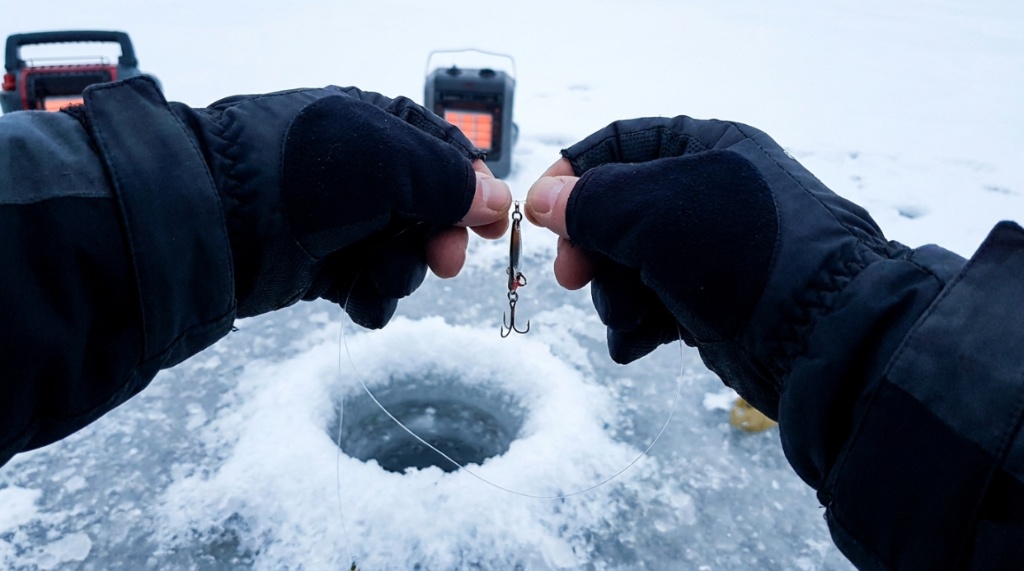
- Extreme dexterity intervals: Threading 2-lb test line through a tiny jig eye, pinching a wax worm onto a #10 hook, or adjusting a sensitive spring bobber requires near-bare-finger dexterity. This happens every 10–30 minutes throughout the day.
- Wind exposure: Ice surfaces offer zero wind protection. Wind chill can drop perceived temperature 20–30°F below air temperature. Gloves must be completely windproof — any air penetration defeats insulation.
- Quick on/off cycling: Ice anglers remove and replace gloves 30–50 times per day for bait changes, fish handling, and tackle management. Easy on/off design with secure closure prevents loss and frustration.
What Insulation Level Do Ice Fishing Gloves Need?
Ice fishing in typical conditions (0–20°F air temperature, -10 to -30°F wind chill) requires a minimum of 200g Thinsulate or equivalent insulation—with 300g or heated options for extreme conditions below 0°F air temperature or extended stationary periods exceeding 60 minutes.
- Mild ice fishing (20–32°F, light wind): 150g insulation with wind-blocking shell. Active jigging generates some hand warmth. Early/late-season ice conditions.
- Standard ice fishing (0–20°F, moderate wind): 200–250 g insulation with a waterproof windproof shell. The most common conditions for mid-season hardwater fishing. Handles 4–6 hour sessions with periodic hand warmer use.
- Extreme ice fishing (below 0°F, strong wind): 300 g+ insulation or battery-heated gloves. Extended exposure without activity requires maximum passive insulation. Budget for chemical hand warmers as a supplement.
The critical factor most ice anglers miss: insulation works by trapping dead air. If gloves are too tight (compressing insulation) or too wet (filling air spaces with water), even 300g insulation fails. Proper sizing and waterproofing matter as much as insulation weight.
Which Glove Design Works Best for Ice Fishing?
Three-finger mittens (lobster-claw design) with fold-back tips provide the best ice-fishing compromise—shared finger warmth for stationary periods, individual finger control for bait handling when tips are folded, and faster warming recovery than full five-finger gloves after dexterity tasks.
Ice fishing glove designs ranked:
| Design | Warmth | Dexterity | Best For |
|---|---|---|---|
| Full mitt (no fingers) | Maximum | None (must remove) | Tip-up fishing, waiting between checks |
| Three-finger mitt (lobster) | Excellent | Moderate (grip + pinch) | General ice fishing, jigging |
| Convertible (fold-back tips) | Good-Excellent | High when open | Versatile all-day ice fishing |
| Full five-finger insulated | Good | Good | Active jigging, minimal bait changes |
| Thin liner only | Minimal | Maximum | Brief bait tasks, inside shelter only |
Most experienced ice anglers use a two-glove system: heavy mitts for inactive warming between fish, plus thin liner gloves for bait changes and fish handling. The heavy mitts provide recovery warmth after each bare-hand task, and the liners provide minimum protection during dexterity-demanding moments.Staying warm out on the frozen lake is only half the battle; you also need the right gear setup to successfully bring fish to the surface. Once you have selected a pair of protective gloves that offer the perfect balance of dexterity and insulation, you will want to pair them with a setup that minimizes hand fatigue during long hours in the cold. For a complete breakdown of the best cold-weather setups, check out our comprehensive Fishing Rod and Reel Combo Buying Guide for 2026 to ensure your gear handles freezing conditions flawlessly.
How Do You Keep Hands Warm During Long Ice Fishing Sessions?
Keeping hands warm for 6+ hour ice fishing sessions requires a systems approach: quality insulated gloves as your base, chemical hand warmers for supplemental heat, a hand-warming strategy (warming intervals, pocket rotation), and elimination of moisture that destroys insulation effectiveness.
Complete hand-warming system:
- Primary gloves: 200 g+ insulated, windproof, water-resistant mitts or convertible gloves. Your constant-wear protection layer.
- Liner gloves: Thin merino or synthetic liners for bait-change moments. Faster than bare fingers, prevent metal-to-skin cold burns.
- Chemical warmers: Adhesive hand warmers inside the glove back (not palm—blocks dexterity). Provide 4–8 hours of supplemental heat. Place between the liner and outer glove.
- Warming breaks: Every 45–60 minutes, place hands in armpits or pockets for 2–3 minutes. Active fist-clenching during warming breaks promotes blood flow to fingertips.
- Moisture management: Carry a small towel to dry hands before re-gloving after fish handling. Wet hands in insulated gloves lose heat 25x faster than dry hands. Five seconds of drying prevents 20 minutes of cold.
- Portable shelter: Even a basic wind shelter reduces wind chill dramatically. Inside a pop-up shelter, 150 g gloves perform like 250 g gloves in open wind.
For tested recommendations of ice fishing gloves that maintain warmth through extended hardwater sessions, budget ice fishing gloves tested in Alaska’s extreme cold provide performance data from conditions that push gloves to absolute limits—if they work in Alaska, they handle your local ice.
Conclusion
Choosing ice fishing gloves requires prioritizing sustained passive warmth over all other features — your hands generate minimal heat while stationary, making insulation quality and windproofing the primary performance determinants. Three-finger mitts or convertible designs with 200g+ insulation handle most ice fishing conditions. Supplement with a two-glove system (heavy mitts + thin liners), chemical warmers, and disciplined moisture management for all-day sessions in extreme cold.
Cold hands end ice fishing days. The right glove system extends them from 2 miserable hours to 8 comfortable ones. Invest $50–$80 in proper ice-specific gloves and keep your local hardwater spots producing fish all season rather than driving home early because your hands gave up before the fish did.
What keeps your hands warm on the ice — specific gloves, chemical warmers, or shelter strategies? Share your system below.
Frequently Asked Questions
Can I use regular winter gloves for ice fishing?
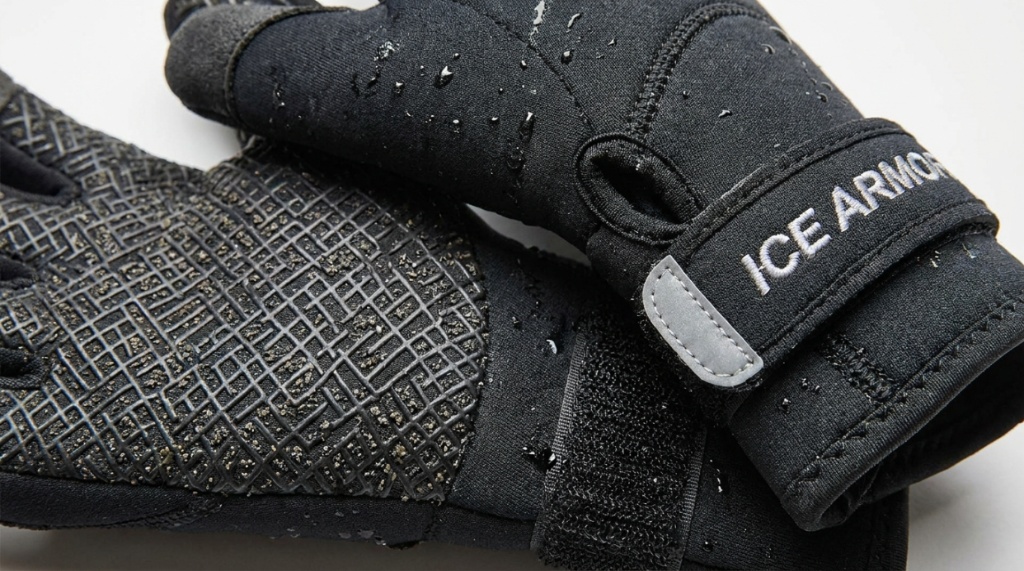
Regular winter gloves work for warmth but lack fishing-specific features: they absorb water from ice/fish handling, cannot be removed quickly for bait changes, and lack grip texture for handling tackle. They function as emergency backup, but dedicated ice fishing gloves with convertible fingers and water-resistant surfaces perform dramatically better for the specific demands of hardwater fishing.
Are heated gloves practical for ice fishing?
Yes—battery-heated gloves are increasingly popular for ice fishing because the stationary nature of the activity (no casting motion to generate heat) makes supplemental heating valuable. Modern heated gloves provide 3–8 hours of warmth with rechargeable batteries. Best for: anglers who fish extreme cold (below 0°F) for extended periods. Drawback: higher cost ($80–$200) and battery management.
How do I handle fish without getting my gloves wet?
Use a dedicated “fish handling” glove (cheap rubber-coated cotton glove) specifically for landing and unhooking fish. Keep your insulated gloves dry and clean. Many ice anglers keep a $3 pair of rubber-dipped gloves clipped to their bucket for fish handling—they are disposable, wet-tolerant, and they save your expensive insulated gloves from fish slime and water.
What do I do if my ice fishing gloves get wet mid-session?
Immediately switch to dry backup gloves. Wring out wet gloves and place them inside your jacket against your body—body heat dries them faster than air exposure in freezing temperatures. If no backup exists, wring thoroughly and use chemical hand warmers inside the wet gloves to maintain minimum functionality until the session ends.
Do I need different gloves for inside a portable shelter?
Inside a heated shelter (propane or buddy heater), lightweight fleece gloves or even bare hands work fine. The shelter eliminates wind chill and raises ambient temperature 20–40°F above outside. Keep your heavy gloves accessible for steps outside (checking tip-ups, socializing, and bathroom breaks). The two-environment difference is dramatic enough to warrant separate hand protection.
How do I prevent my rod from slipping with thick ice fishing gloves?
Choose gloves with textured palm material (silicone dots or rubberized surface). Use rod grips with cork or EVA foam (higher friction than blank graphite). Consider rod-holder systems that eliminate the need to grip constantly. For jigging, a wrist strap on the rod prevents drops even with reduced grip sensitivity through thick gloves.