
The best surf booties keep your feet warm, protected, and comfortable without ruining your board feel. Whether you surf in icy winter water, rocky reef breaks, or windy beach conditions, the right pair of surf water shoes can improve grip, prevent cuts, and help you stay in the water longer.
Why Do Surfers Need the Best Surf Booties?
Surf booties are designed to protect surfers from cold water, sharp reefs, rocks, and prolonged foot fatigue while maintaining traction and board sensitivity.
Many surfers underestimate how much cold feet affect performance. Once your feet go numb, balance, reaction time, and stamina drop quickly. In colder regions, surfers often end sessions early because of foot discomfort rather than wave conditions.
Modern men’s surfing footwear solves this problem with lightweight neoprene construction, improved sole flexibility, and better thermal insulation. High-quality surf booties now feel far less bulky than older models.
Surf booties are especially important in:
- Cold-water surfing locations
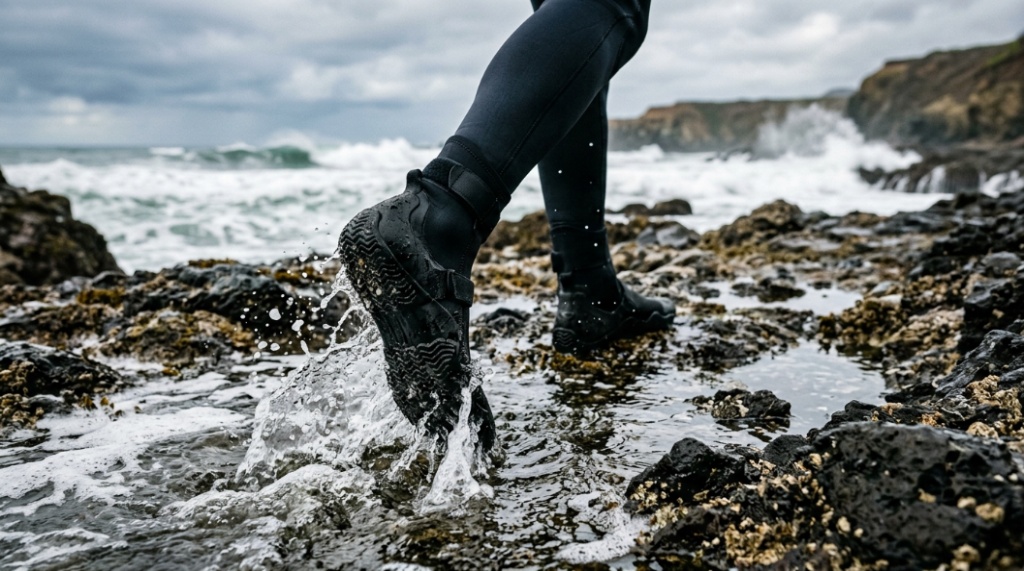
- Rocky reef breaks
- Winter surf sessions
- Long paddle sessions
- Areas with sea urchins or sharp coral
- Windy beach conditions
According to surf industry data, neoprene accessories like gloves and booties significantly extend average cold-water surf session times by improving heat retention.
What Are the Best Surf Booties for All-Day Comfort?
The best surf booties combine warmth, flexibility, grip, durability, and a snug fit that minimizes water entry without restricting movement.
Comfort depends on more than thickness. A poorly fitted bootie can cause blisters, arch fatigue, or slipping on the board. The best models balance insulation with flexibility.
| Surf Bootie Feature | Why It Matters |
|---|---|
| Neoprene Thickness | Controls warmth in different water temperatures |
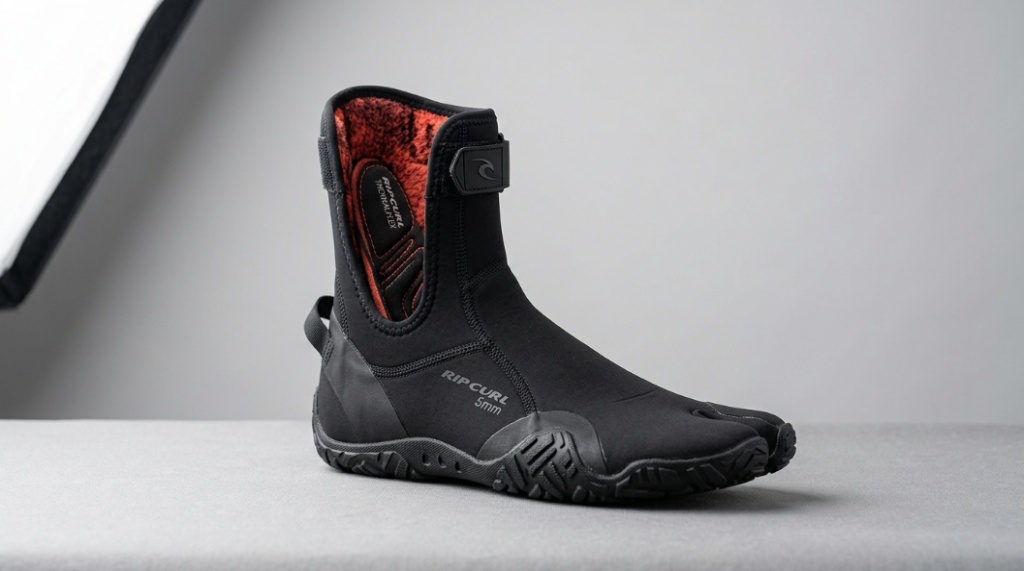
| Split-Toe Design | Improves balance and board control |
| Textured Sole | Enhances traction on slippery surfaces |
| Sealed Seams | Reduces water flushing |
| Flexible Upper | Improves paddling and movement |
| Arch Support | Reduces fatigue during long sessions |
The ideal bootie depends on your local conditions. Surfers in California winters may prefer 3mm or 5mm neoprene, while surfers in northern Europe often need 7mm thermal surf booties.
How Thick Should Surf Booties Be?
The best surf bootie thickness depends on water temperature. Thicker neoprene provides more warmth, while thinner materials improve flexibility and board feel.
Many surfers choose the wrong thickness. Going too thick can make movement awkward. Going too thin leads to numb feet and shortened sessions.
What Thickness Works Best for Warm Water?
1mm to 2mm surf water shoes work best for mild conditions where protection matters more than insulation.
These are common in tropical reef breaks where surfers need protection from coral and rocks rather than cold water.
What Thickness Works Best for Cold Water?
3mm to 7mm neoprene surf booties are best for cold-water surfing.
- 3mm: Cool water
- 5mm: Cold winter surfing
- 7mm: Near-freezing temperatures
Cold-water surfers in places like the Pacific Northwest, Iceland, or Scotland often rely on 5mm to 7mm boots for extended sessions.
Are Split-Toe Surf Booties Better?
Split-toe surf booties provide better grip and balance because they separate the big toe, improving stability and board control.
Many experienced surfers prefer split-toe designs because they feel more connected to the board. The design helps prevent internal foot sliding inside the boot.
Benefits of split-toe surf booties include:
- Improved traction
- Better balance
- Enhanced responsiveness
- Reduced foot movement inside the boot
However, some surfers dislike the sensation between the toes and prefer round-toe designs for comfort during long sessions.
What Is the Difference Between Round-Toe and Split-Toe Booties?
Round-toe booties prioritize warmth, while split-toe models prioritize control and performance.
| Feature | Split-Toe | Round-Toe |
|---|---|---|
| Board Feel | Excellent | Good |
| Warmth | Moderate | Better insulation |
| Balance | Superior | Standard |
| Comfort Preference | Performance-focused | Casual comfort |
What Features Make Surf Water Shoes Comfortable for Long Sessions?
The most comfortable surf water shoes have flexible neoprene, ergonomic fit, sealed seams, lightweight soles, and secure ankle support.
Long surf sessions expose flaws quickly. Cheap surf footwear often causes rubbing, trapped water, or arch strain after several hours.
Why Do Sealed Seams Matter?
Sealed seams reduce cold water flushing and improve insulation.
Premium men’s surfing footwear typically uses glued and blind-stitched seams. These techniques minimize leaks while improving durability.
Why Is Sole Flexibility Important?
Flexible soles help surfers maintain natural foot movement and board sensitivity.
Rigid soles can reduce control during turns and paddling. Advanced rubber compounds now allow manufacturers to create durable yet flexible surf soles.
Do Lightweight Surf Booties Perform Better?
Lightweight surf booties usually improve comfort and reduce fatigue during all-day surfing.
Heavy footwear absorbs more water and can strain ankles during long paddle-outs or duck dives.
What Are the Best Materials for Men’s Surfing Footwear?
High-quality neoprene remains the best material for surf booties because it provides insulation, flexibility, and water resistance.
Not all neoprene is equal. Premium limestone neoprene often performs better than petroleum-based alternatives in flexibility and environmental sustainability.
What Materials Improve Warmth?
Thermal linings, fleece interiors, and quick-dry materials improve warmth retention inside surf booties.
Some high-end models use infrared thermal lining technology to trap body heat more efficiently.
What Materials Improve Durability?
Reinforced rubber soles and abrasion-resistant toe panels improve durability in rocky surf environments.
Surfers who regularly walk across reefs or rough parking lots should prioritize reinforced sole construction.
How Should Surf Booties Fit?
Surf booties should fit snugly without painful pressure points. A tight seal prevents water flushing and improves performance.
A loose fit allows water pooling and internal movement. An overly tight fit reduces circulation and increases discomfort.
How Do You Know If Surf Booties Are Too Loose?
If your heel lifts, water pools inside, or your foot slides during movement, the booties are too loose.
Loose-fitting surf water shoes often cause blisters during longer sessions.
Should You Size Up in Surf Booties?
Most surfers should avoid sizing up unless wearing extremely thick neoprene socks underneath.
Neoprene stretches slightly after use, so a secure initial fit is usually best.
Which Surf Booties Work Best in Cold Water?
The best cold-water surf booties prioritize thermal insulation, seam sealing, and water resistance while maintaining flexibility.
Winter surfing creates unique challenges. Wind chill, freezing water, and long exposure can quickly reduce body temperature.
Important cold-water features include:
- 5mm to 7mm neoprene
- Liquid-sealed seams
- Thermal lining
- Minimal water entry
- High ankle coverage
Cold-water surfers often combine surf booties with wetsuit gloves and hoods for full thermal protection.
Can Surf Booties Improve Surf Performance?
Yes, the right surf booties can improve confidence, endurance, and traction during difficult surf conditions.
Many surfers initially worry that surf footwear reduces board feel. Modern designs have largely solved this problem.
Performance improvements may include:
- Better grip during turns
- Increased confidence on reefs
- Longer cold-water sessions
- Reduced foot fatigue
- Improved stability
Professional cold-water surfers routinely use high-performance surf booties during competitions and big-wave sessions.
What Are Common Mistakes When Buying Surf Water Shoes?
The biggest mistakes include buying the wrong thickness, prioritizing style over fit, and ignoring seam quality.
Why Is Cheap Surf Footwear Often a Problem?
Low-quality surf booties typically lose flexibility quickly and allow excessive water entry.
Inferior neoprene also compresses faster, reducing insulation over time.
Why Should Surfers Avoid Oversized Booties?
Oversized booties reduce control and create uncomfortable water movement inside the shoe.
Good surfing footwear should feel secure immediately.
How Do You Maintain Surf Booties Properly?
Proper maintenance extends the lifespan of surf booties and prevents odor, material breakdown, and seam damage.
Saltwater, UV exposure, and trapped moisture gradually damage neoprene.
How Should You Clean Surf Booties?
Rinse surf booties with fresh water after every session and dry them in shaded, ventilated areas.
Avoid direct sunlight because excessive UV exposure weakens neoprene and adhesives.
How Do You Prevent Surf Booties From Smelling?
Allow booties to dry completely between sessions and occasionally use wetsuit-safe cleaning products.
Persistent moisture encourages bacterial growth and odor buildup.
Are Surf Booties Worth It for Beginners?
Yes, surf booties help beginners stay comfortable, avoid injuries, and surf longer in difficult conditions.
New surfers often struggle with cold sensitivity and rocky entries. Proper footwear removes distractions and improves confidence.
Beginners surfing reef breaks especially benefit from added protection against cuts and abrasions.
What Should You Look for Before Buying Men’s Surfing Footwear?
The most important buying factors are water temperature, fit, flexibility, durability, and seam construction.
Before purchasing surf booties, consider:
- Your local surf climate
- Beach vs reef conditions
- Winter vs summer use
- Session length
- Preferred board feel
- Split-toe vs round-toe preference
Experienced surfers often own multiple pairs for different seasons and surf locations.
Conclusion
The best surf booties improve warmth, comfort, traction, and confidence without sacrificing board feel. Whether you need lightweight surf water shoes for reef protection or insulated men’s surfing footwear for winter sessions, the right pair can dramatically improve your time in the water.
Focus on fit first. Then choose the right neoprene thickness for your local conditions. Features like sealed seams, flexible soles, and split-toe designs make a noticeable difference during long surf sessions.
Good surf booties are not just cold-weather accessories. They are performance tools that help surfers stay out longer, move better, and surf more confidently in challenging environments.
If you regularly surf cold water, rocky breaks, or windy beaches, investing in high-quality surf footwear is one of the smartest upgrades you can make for comfort and performance.
FAQ: Best Surf Booties for All-Day Comfort
Do professional surfers wear surf booties?
Yes, many professional surfers wear surf booties in cold-water locations or reef-heavy breaks. Modern designs maintain strong board feel while improving warmth and protection.
Can you surf comfortably with surf water shoes?
Yes, high-quality surf water shoes are specifically designed for surfing comfort. Flexible soles and ergonomic neoprene construction help maintain natural movement.
How long do surf booties last?
Most quality surf booties last one to three years depending on frequency of use, maintenance, and surf conditions.
What thickness surf booties are best for winter?
5mm surf booties are the most common choice for winter surfing. Extremely cold regions may require 7mm insulation.
Should surf booties feel tight at first?
Yes, surf booties should fit snugly initially because neoprene stretches slightly after repeated use.
Can surf booties prevent reef cuts?
Yes, surf booties provide significant protection against reefs, rocks, shells, and sharp underwater surfaces.
What is the difference between surf booties and regular water shoes?
Surf booties are specifically designed for surfing performance, warmth, and board feel, while regular water shoes focus more on casual water activity protection.
📌 Related Reads
Discover: How to Avoid Chafing with the Right Surfing Swimsuit
Explore: How to Style Bold Print Bikini Sets for a Confident Summer Look