
Skateboarding has become one of the most popular activities for children worldwide. Parents often worry about safety and whether their kids can actually learn to ride properly. One simple change can make a huge difference in how quickly children pick up skateboarding skills. The secret lies in choosing the right wheels for their board.
Many parents don’t realize that wheels come in different hardness levels. This characteristic affects how the skateboard performs on various surfaces. When young riders use appropriate equipment, they build confidence faster and enjoy the learning process more. Understanding what makes certain wheels better for beginners helps parents make smart purchasing decisions.
Understanding Wheel Hardness and What It Means
Skateboard wheels aren’t all created equal. Manufacturers measure hardness using a durometer scale, which typically ranges from 75A to 101A for skateboard wheels. The lower the number, the softer the material. Conversely, higher numbers indicate harder wheels that professionals often prefer for tricks.
Soft wheels kids skateboard setups typically feature wheels in the 78A to 87A range. These provide a cushioned ride that absorbs bumps and vibrations from rough surfaces. In contrast, harder wheels above 95A are designed for smooth skate parks and experienced riders who want maximum speed and responsiveness.
The difference becomes obvious when children ride on typical neighborhood streets. Sidewalks have cracks, pebbles, and uneven patches that create obstacles for young skaters. Softer wheels roll over these imperfections more easily, allowing kids to maintain balance without getting thrown off their board.
Why Soft Wheels Work Better for Young Beginners
Children learning to skateboard face several challenges that adults might not immediately recognize. Their smaller size means less weight pressing down on the board, which affects stability. Additionally, developing motor skills and reflexes make it harder to react quickly when obstacles appear.
Softer wheels provide a forgiving ride that compensates for these factors. When a wheel encounters a small rock or crack, the flexible material compresses slightly and rolls over the obstruction. Harder wheels tend to stop suddenly, which can send a child tumbling forward. This fundamental difference in performance directly impacts safety and learning speed.
Furthermore, the grip provided by softer wheels helps children feel more secure. The increased contact with the ground creates better traction, especially when turning or stopping. Young riders can focus on learning proper foot placement and balance rather than constantly worrying about slipping out.
Smooth Riding on Rough Surfaces
Most kids won’t be skating in pristine skate parks when they first start learning. They’ll practice in driveways, on sidewalks, or in parking lots. These real-world surfaces present challenges that soft wheels handle remarkably well.
Rough asphalt and concrete create vibrations that travel up through the skateboard. With hard wheels, these vibrations can be jarring and uncomfortable. Children might complain that their feet hurt or that the board feels unstable. Soft wheels dampen these vibrations significantly, creating a smoother experience that encourages longer practice sessions.
The noise factor also matters more than many people realize. Hard wheels create a loud rumbling sound on rough surfaces that can be intimidating for young riders. Softer wheels roll much more quietly, which helps children feel less self-conscious when practicing in residential areas. Neighbors will appreciate the reduced noise as well.
Building Confidence Through Better Control
Confidence plays a crucial role in how quickly children master new skills. When kids feel unstable or frequently fall, they become hesitant and fearful. This fear creates tension that actually makes balancing more difficult, creating a negative cycle.
Soft wheels break this cycle by providing a more stable platform. The enhanced grip and smoother ride help children maintain their balance more easily. Each successful attempt builds confidence, encouraging them to practice more frequently. This positive reinforcement accelerates the learning process naturally.
Parents often notice that children using appropriate wheel hardness progress faster through basic skills. Pushing, gliding, and gentle turning become achievable goals rather than frustrating challenges. As competence grows, so does enthusiasm for the sport.
Reduced Impact and Better Safety
Safety concerns top the list for most parents considering skateboarding for their children. While protective gear remains essential, equipment choices also significantly impact injury risk. Wheel selection plays a surprisingly important role in preventing common skateboarding accidents.
The shock-absorbing properties of softer wheels reduce the impact transmitted through the board when riding over bumps. This cushioning effect means less stress on young ankles, knees, and joints. Children can practice longer without experiencing discomfort or fatigue that might lead to accidents.
Additionally, the improved stability that soft wheels kids skateboard configurations provide directly reduces fall frequency. When wheels don’t catch on every tiny crack or pebble, children maintain their balance more consistently. Fewer sudden stops mean fewer opportunities for injuries to occur.
The Science Behind Wheel Hardness Performance
Understanding the technical aspects helps parents make informed decisions. Wheel hardness affects several performance characteristics that matter for young riders. The durometer measurement indicates how much the wheel material resists compression when force is applied.
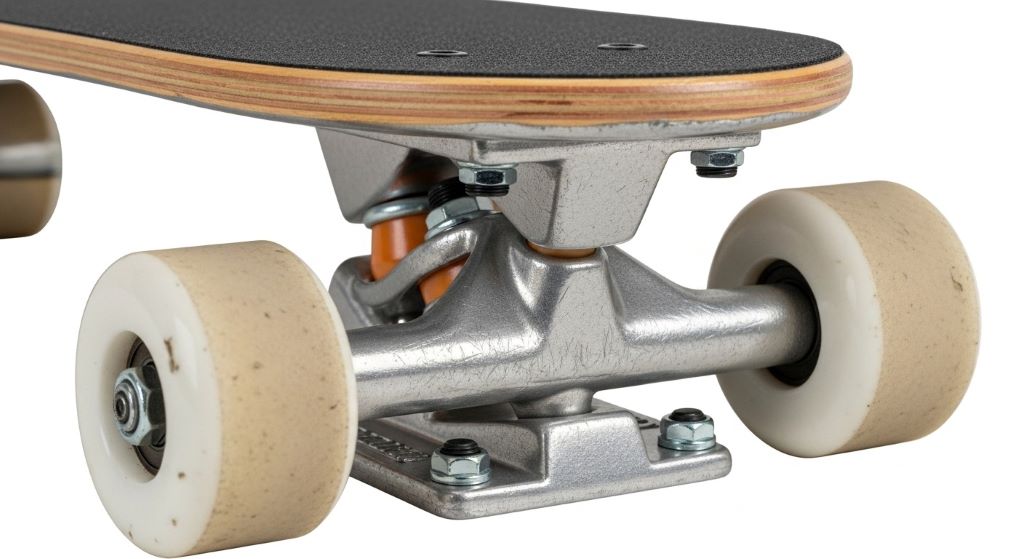
Softer materials compress more easily, which creates a larger contact patch with the ground. This increased surface area provides better grip and distributes weight more evenly. The compression also allows the wheel to deform slightly around obstacles, creating that smooth rolling action over rough terrain.
However, softer wheels do sacrifice some speed compared to harder options. The same compression that provides comfort also creates more rolling resistance. For children just learning to push and balance, this slight speed reduction is actually beneficial. It gives them more time to react and makes controlling the board easier.
Choosing the Right Hardness for Different Ages
Not all children need exactly the same wheel setup. Age, weight, and skill level all factor into the optimal wheel choice. Generally, younger or smaller children benefit from softer wheels in the 78A to 82A range. These provide maximum shock absorption and grip for riders who are still developing coordination.
Children aged eight to twelve might prefer wheels in the 83A to 87A range. These still offer good cushioning but roll slightly faster as kids gain confidence. The moderate hardness provides a good balance between comfort and performance for intermediate young skaters.
Teenagers who have mastered basic skills might want to transition toward harder wheels gradually. Moving up to the 88A to 92A range maintains some cushioning while improving speed and responsiveness. This progression should happen naturally as skills develop, not rushed based on age alone.
Common Mistakes Parents Make When Buying Skateboards
Many well-meaning parents unknowingly purchase skateboards that make learning harder for their children. Complete skateboards from discount stores often come with very hard wheels designed to look cool rather than perform well. These boards might seem like a good budget option, but they create frustration that can turn kids away from skateboarding entirely.
Another common mistake involves buying boards intended for experienced riders. Pro-model skateboards feature specifications optimized for tricks and advanced techniques. While exciting for children who admire professional skaters, these boards aren’t suitable for beginners who need stability and forgiveness.
Reading product descriptions carefully helps avoid these pitfalls. Look for boards specifically marketed for beginners or young children. Check wheel specifications to confirm they fall within the appropriate hardness range. Investing in proper equipment from the start saves money and frustration later.
When to Consider Harder Wheels
As children develop their skateboarding skills, their equipment needs change. Recognizing when to transition to harder wheels ensures continued progress and enjoyment. Several signs indicate a child might be ready for this change.
First, they should demonstrate consistent balance and control on their current setup. If they rarely fall during regular riding and can execute basic turns confidently, they’ve outgrown the beginner stage. Second, they might express interest in learning tricks or skating at skate parks with smooth surfaces.
The transition doesn’t need to happen all at once. Some young skaters keep multiple wheel sets and swap them based on where they plan to ride. Softer wheels remain useful for cruising around the neighborhood, while harder wheels work better at the skate park. This flexibility allows children to experience different skating styles.
Maintenance Tips for Softer Wheels
Proper care extends wheel life and maintains performance. Softer wheels require slightly different maintenance compared to harder varieties. Regular cleaning prevents dirt and debris from embedding in the softer material, which can affect rolling smoothness.
Rotating wheels periodically ensures even wear patterns. Skateboard wheels don’t wear uniformly because riders typically favor one side when turning. Switching wheel positions every few weeks keeps them wearing evenly, extending their useful life. This practice matters more with softer wheels because they wear slightly faster than harder options.
Checking wheels for flat spots or excessive wear should become part of regular equipment inspection. While soft wheels are durable, they will eventually need replacement. Recognizing when performance has degraded prevents frustration and maintains the safe, smooth ride that makes learning enjoyable.
The Long-Term Benefits of Starting with Appropriate Equipment
Children who learn skateboarding on properly equipped boards develop better fundamental skills. The stability and control provided by suitable wheel hardness allow them to focus on technique rather than constantly fighting their equipment. This foundation serves them well as they advance to more challenging skating styles.
Moreover, positive early experiences create lasting enthusiasm for the sport. Kids who struggle unnecessarily often give up before experiencing skateboarding’s true enjoyment. Those who progress smoothly are more likely to stick with it, gaining the physical and mental benefits that come from regular practice.
The investment in quality beginner equipment pays dividends through years of active enjoyment. Children develop coordination, balance, confidence, and perseverance through skateboarding. Starting them with the right tools, including appropriately soft wheels, sets them up for success in this rewarding activity.
Conclusion
Selecting the right skateboard wheels dramatically affects how easily children learn to ride. Soft wheels kids skateboard setups provide the stability, comfort, and safety that young beginners need to build confidence and skills. Understanding wheel hardness and its practical implications helps parents make informed purchasing decisions that support their children’s success.
The enhanced grip, shock absorption, and smooth rolling characteristics of softer wheels create an ideal learning environment. Children can focus on developing balance and control without constantly battling their equipment. As skills progress, transitioning to harder wheels becomes a natural next step rather than an immediate necessity.
Investing in appropriate equipment from the start encourages children to stick with skateboarding and enjoy its many benefits. The right wheels make the difference between frustration and fun, setting young riders on a path toward years of active enjoyment.
Frequently Asked Questions
What durometer rating is best for a child’s first skateboard?
For most children learning to skateboard, wheels in the 78A to 87A range work best. These provide excellent shock absorption and grip on typical riding surfaces like sidewalks and driveways. Younger or lighter children benefit from the softer end of this range.
Can soft wheels be used at skate parks?
Yes, soft wheels work at skate parks, though they perform differently than harder wheels. They provide good grip on transitions and ramps but roll slightly slower. For beginners visiting skate parks, softer wheels offer better control and confidence.
How long do soft skateboard wheels typically last?
With regular use, quality soft wheels last three to six months before needing replacement. Actual lifespan depends on riding frequency, surface types, and rider weight. Rotating wheels regularly extends their usable life by promoting even wear.
Will my child outgrow soft wheels quickly?
Not necessarily. Many young skaters use softer wheels for years, especially when cruising or riding on rough surfaces. The transition to harder wheels should happen based on skill development and skating style preferences, not age alone.
Are expensive soft wheels worth the cost for beginners?
Quality wheels from reputable skateboard brands are worth the investment. They use better materials that roll smoother, last longer, and provide consistent performance. Budget wheels often wear quickly and perform poorly, potentially discouraging young learners.
Related Topics:
Skateboard Wall Mount vs. Floor Storage: Which is Best for You?
How to True a Tacoed Bicycle Wheel Top Guideline