
Finding the right running shoes can make or break your long-distance training. When you’re logging serious miles, your feet need proper protection from impact and stress. This guide will help you select footwear that keeps you comfortable mile after mile.
Understanding Cushioning Technology
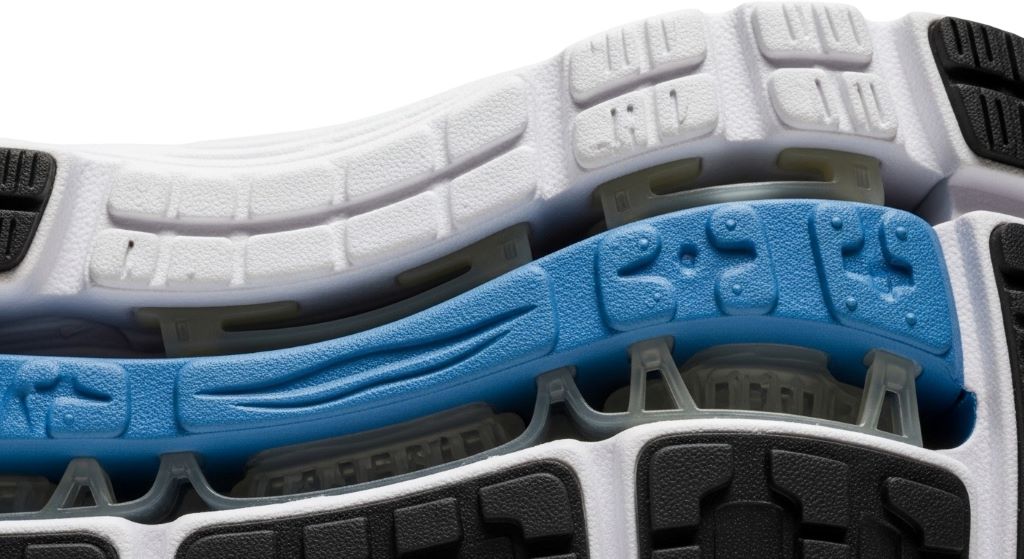
Modern running shoes use various materials to absorb shock and provide comfort. EVA foam remains the most common choice because it balances softness with durability. However, newer options like TPU beads and gel inserts offer different benefits.
Some brands use multiple layers of foam with varying densities. This approach provides cushioning where you need it most while maintaining stability. Additionally, certain manufacturers incorporate air pockets or specialized compounds that compress and spring back with each stride.
The key is finding a shoe that protects your joints without feeling mushy or unstable. Too much cushioning can actually reduce your connection to the ground and affect your running form. Therefore, testing different options is essential before committing to a pair.
Evaluating Your Running Style
Your natural gait pattern significantly influences which shoes will work best. Runners who land heavily on their heels typically benefit from extra cushioning in that area. Meanwhile, midfoot strikers need balanced protection throughout the sole.
Pronation also matters when selecting footwear. Neutral pronators can wear most cushioned shoes without issues. Overpronators might need stability features alongside cushioning to prevent excessive inward rolling. Underpronators often do well with maximum cushioning running shoes that provide shock absorption on the outer edge.
Consider getting a gait analysis at a specialty running store. These assessments involve running on a treadmill while staff observe your foot strike and movement patterns. Consequently, you’ll receive personalized recommendations based on your specific needs.
Determining the Right Amount of Cushioning
More cushioning isn’t always better for every runner. Your body weight, running surface, and weekly mileage all factor into the equation. Heavier runners generally need more protection than lighter athletes because they generate greater impact forces.
If you primarily run on concrete sidewalks or asphalt roads, extra cushioning helps reduce stress on your joints. Trail runners might prefer less cushioning for better ground feel and stability on uneven terrain. Furthermore, your training volume matters significantly.
Runners covering 40 or more miles weekly often appreciate the fatigue-fighting properties of well-cushioned shoes. Shorter distances may not require as much protection. Listen to your body and notice how different cushioning levels affect your recovery between runs.
Exploring Soft Sole Options
Soft sole running shoes provide immediate comfort but require careful consideration. They excel at absorbing impact and feel plush underfoot from the first step. Nevertheless, they may compress more quickly than firmer options, potentially reducing their lifespan.
These shoes work wonderfully for recovery runs when your legs feel tired and need extra support. Many runners keep a pair specifically for easy days and long runs. The trade-off is that very soft soles can feel less responsive during faster workouts.
Material quality varies significantly among brands. Premium soft foam formulations maintain their cushioning properties longer than budget alternatives. Check reviews and ask experienced runners about durability before investing in ultra-soft options.
Balancing Weight and Protection
Cushioned shoes typically weigh more than minimalist options. However, recent innovations have produced lightweight materials that don’t sacrifice protection. Carbon fiber plates and advanced foams deliver cushioning without excess bulk.
For long-distance runners, a few extra ounces won’t significantly impact performance if the shoes prevent fatigue and injury. The energy cost of carrying slightly heavier shoes is minimal compared to the benefits of proper cushioning. Moreover, tired legs late in a run appreciate extra support.
Consider your priorities carefully. Race-day shoes might prioritize lightness, while training shoes should emphasize protection and durability. Many successful distance runners own multiple pairs for different purposes.
Testing Shoes Before Buying
Never purchase running shoes without trying them on first, even if you’ve worn the same model previously. Manufacturers frequently update designs and materials between versions. What worked last year might feel completely different now.
Walk around the store and jog in place to assess comfort. Pay attention to any pressure points, rubbing, or unusual sensations. Your toes should have wiggle room, and your heel should stay locked in place without slipping.
Most specialty retailers offer return policies that allow you to test shoes on short runs. Take advantage of these programs to ensure your choice performs well outside the store. Additionally, shop later in the day when your feet have expanded slightly from daily activity.
Considering Drop and Stack Height
Drop refers to the height difference between the heel and forefoot. Traditional running shoes feature 10-12mm drops, while zero-drop shoes have no height difference. Stack height indicates the total amount of cushioning between your foot and the ground.
Maximum cushioning running shoes often have high stack heights, sometimes exceeding 35mm. This extra material provides substantial impact protection but raises your foot higher off the ground. Some runners feel less stable in high-stack shoes, particularly on uneven surfaces.
Lower drops encourage a more natural foot strike but require an adjustment period. If you’re accustomed to traditional shoes, transitioning gradually prevents calf and Achilles strain. There’s no universally correct drop or stack height, so experiment to find your preference.
Recognizing When to Replace Your Shoes
Even the best cushioned running shoes eventually lose their protective qualities. Most shoes last between 300-500 miles, depending on your weight, running style, and surfaces. Track your mileage using a running app or logbook.
Visual inspection provides helpful clues about shoe condition. Examine the outsole for worn tread patterns and check the midsole for compression marks or creases. If the cushioning feels noticeably flatter than when new, replacement time has arrived.
Don’t wait until shoes feel completely dead before retiring them. Worn cushioning increases injury risk even if the upper remains intact. Furthermore, rotating between two pairs extends the life of both by allowing the foam to decompress between runs.
Matching Shoes to Your Training Goals
Different training phases may require different footwear approaches. Base-building periods with high mileage benefit from maximum protection and comfort. Speed work might call for lighter, more responsive options with less cushioning.
Long runs represent the perfect opportunity to appreciate well-cushioned shoes. The extra comfort becomes increasingly valuable as fatigue sets in during the final miles. Recovery runs also benefit from soft, forgiving soles that minimize stress on tired muscles and joints.
Think about your race-day strategy as well. Some runners prefer the same shoes for training and racing to eliminate variables. Others choose lighter race shoes after building fitness in more protective training models. Both approaches work when executed thoughtfully.
Conclusion
Selecting the right cushioned running shoes involves balancing multiple factors including your gait pattern, body weight, training volume, and running surfaces. Maximum cushioning running shoes and soft sole running shoes offer excellent protection for long-distance runners, but the perfect amount varies by individual. Test different options, pay attention to how your body responds, and don’t hesitate to seek expert advice from specialty retailers. Remember that shoes are tools to support your running journey, and finding the right pair can transform your training experience and help you achieve your goals comfortably.
Frequently Asked Questions
Q: How often should I replace my cushioned running shoes?
Most running shoes need replacement after 300-500 miles of use. Track your mileage and watch for signs like compressed cushioning, worn outsoles, or decreased comfort during runs.
Q: Can too much cushioning cause injuries?
Excessive cushioning can potentially alter your natural running form and reduce ground feel, which may lead to instability. Finding the right balance for your body and running style is more important than simply maximizing cushioning.
Q: Are expensive running shoes worth the investment?
Premium shoes often feature advanced materials and construction that provide better durability and performance. However, proper fit matters more than price, so choose shoes that match your needs regardless of cost.
Q: Should I buy the same size in running shoes as regular shoes?
Running shoes should be about a half size larger than your casual footwear to accommodate foot swelling during runs and prevent toenail damage. Always measure your feet while standing at the end of the day.
Q: Can I use maximum cushioning shoes for speed workouts?
While possible, heavily cushioned shoes may feel less responsive during fast running. Many runners prefer lighter, firmer shoes for speed work and save maximum cushioning for easy runs and long distances.
Related Topics:
The Modern Man’s Guide to Matching Shoes with Green Attire
Shoes trends: Mix the retro with innovative proposals