
Chafing is one of the most common complaints among surfers. It sneaks up on you mid-session and turns an enjoyable ride into a painful experience. The good news is that the right swimsuit can prevent it almost entirely. Choosing your gear wisely makes a bigger difference than most people realize. This guide covers everything you need to know about finding the perfect fit and staying comfortable from your first wave to your last.
What Causes Chafing While Surfing
Chafing happens when skin rubs repeatedly against fabric or another surface. In surfing, this usually occurs around the neck, underarms, inner thighs, and chest. The motion of paddling creates constant friction in these areas. Add saltwater and sand to the mix, and the irritation gets worse very quickly.
Wet fabric also plays a big role. When a swimsuit absorbs water and stays wet, it becomes heavier. It shifts around more as you move. That movement causes rubbing, and rubbing causes chafing. Therefore, the material your swimsuit is made from matters enormously.
Additionally, poor fit is a leading cause. A suit that is too loose bunches up under your arms or between your legs. One that is too tight pulls and pinches with every stroke. Neither extreme is comfortable, and both lead to skin irritation after a long session.
Why the Right Swimsuit Changes Everything
A well-designed surfing swimsuit solves most chafing problems before they start. It moves with your body instead of against it. It dries quickly, so it does not stay wet and heavy for long. It also stays in place, even through wipeouts and powerful paddle strokes.
Comfortable surf suits are specifically engineered for this kind of movement. Unlike regular beach swimwear, they account for the unique demands of the sport. The seams are placed strategically to avoid high-friction zones. The fabric stretches in all directions without losing its shape. These details make a real difference when you are out in the water for hours.
Key Features to Look for in a Surfing Swimsuit
Not every swimsuit labelled “surf” is built the same way. Knowing what to look for helps you make a smarter choice.
Flat or Bonded Seams
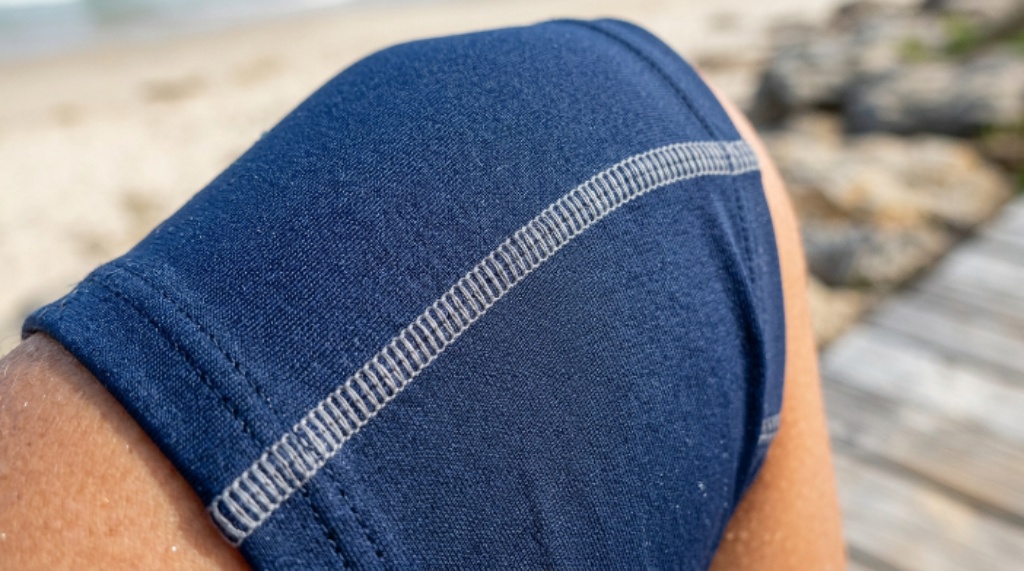
Traditional raised seams dig into skin during repetitive motion. Flat seams lie flush against the body. Bonded seams are even better — they are fused together without any stitching on the inside. Both options dramatically reduce friction in the areas most prone to chafing.
Four-Way Stretch Fabric
Look for a suit made from four-way stretch material. This type of fabric stretches horizontally and vertically. It moves with every arm stroke and leg kick without pulling or bunching. Nylon and spandex blends are the most common choice, and they perform very well in the ocean.
Quick-Dry Technology
Fabric that dries fast stays lighter and more comfortable throughout your session. Quick-dry materials pull moisture away from the skin and release it quickly. This reduces the heavy, waterlogged feeling that leads to skin irritation over time.
Minimal Hardware
Zippers, metal rings, and decorative clasps look attractive on the beach. However, they become friction points the moment you start paddling. Choose a suit with as little hardware as possible, especially in areas that contact the board or your body during movement.
Covered Elastic
Exposed elastic edges can saw against your skin with every movement. Well-made surf swimsuits cover elastic edges with soft fabric binding. This small detail makes a noticeable difference on longer sessions.
The Best Swimsuit Styles for Avoiding Chafing
Different styles suit different surfers. Your choice depends on the conditions you surf in and how sensitive your skin is.
One-Piece Suits
One-piece swimsuits offer the most coverage and the fewest friction points. There are no separate waistbands or gaps where fabric can shift and rub. They stay put through aggressive paddling and wipeouts. Many surfers prefer them for this reason alone. Additionally, they provide light sun protection on the torso, which is a useful bonus.
Rash Guards Worn Over a Bikini
Pairing a rash guard with a bikini bottom is a popular choice for many surfers. The rash guard covers the torso and protects the underarms and chest — two of the most common chafing zones. Make sure the rash guard fits snugly but not tightly. A loose rash guard can bunch under the arms and create its own friction.
Boyleg or Board Short Bottoms
Regular bikini bottoms can ride up and chafe the inner thighs during paddling. Boyleg bottoms or board shorts solve this problem. They cover more of the upper leg and stay in place much better. For surfers prone to thigh chafing, this style change alone can eliminate a major source of discomfort.
Surf Suits and Springsuits
A surf suit, sometimes called a springsuit, covers the arms and legs partially or fully. These suits are ideal for long surf sessions gear, as they protect large areas of skin from both friction and sun exposure. They are particularly useful in warm water where a full wetsuit would be too hot.
How Fit Affects Comfort in the Water
Even the best-designed suit will cause problems if it does not fit properly. Getting the fit right is therefore just as important as choosing the right style.
The suit should feel snug all over without restricting your breathing or movement. When you raise your arms overhead — mimicking a paddle stroke — there should be no pulling at the shoulders or lower back. If the fabric strains in any direction, the suit is too small. If it sags or shifts when you move, it is too large.
Pay special attention to the leg openings. They should lie flat against your skin without cutting in. Run your finger around the edge when trying it on. If you feel resistance or the edge digs in, try the next size up or a different cut.
Additionally, try the suit on while wet if possible. Some fabric fits differently once saturated. Many surf brands allow you to check fit in-store with a spray bottle for exactly this reason.
Anti-Chafe Products That Help
Even the best swimsuit benefits from a little extra protection in high-friction areas. A small amount of anti-chafe balm applied before you paddle out can make a significant difference. Apply it to the neck, underarms, and inner thighs before suiting up.
Look for water-resistant formulas. Regular petroleum-based balms wash off quickly in the ocean. Sport-specific anti-chafe sticks or creams are designed to stay put through saltwater and movement. They are inexpensive and small enough to keep in your surf bag.
However, do not rely on balm alone. It is a helpful addition, not a substitute for a well-fitting suit. Think of it as the last line of defense rather than the first.
Caring for Your Suit to Prevent Breakdown
Even the best comfortable surf suits wear out faster without proper care. Saltwater, sand, and UV exposure break down fabric over time. As the material degrades, seams stiffen and fabric loses its stretch. Both lead to more friction and more chafing.
Rinse your suit thoroughly with fresh water after every session. Squeeze out the water gently — never wring it. Let it dry in the shade rather than direct sunlight, as UV rays degrade stretchy fabric quickly. Store it flat or loosely folded, not crammed at the bottom of a bag.
With regular care, a quality surf swimsuit can last one to two seasons while maintaining its performance.
Conclusion
Chafing does not have to be part of surfing. The right swimsuit, chosen with care and worn correctly, eliminates most of the problem before it starts. Look for flat seams, four-way stretch fabric, quick-dry technology, and a fit that moves with your body. Choose a style that covers your most vulnerable areas — whether that is a one-piece, a rash guard and boyleg combo, or a full surf suit built for long surf sessions gear. Add a water-resistant anti-chafe balm for extra protection, and take good care of your suit after every session. These steps together give you the best chance of staying comfortable from the first paddle to the last wave of the day.
Frequently Asked Questions
What material is best for preventing chafing in a surf swimsuit?
Nylon and spandex blends with four-way stretch are the top choice. They move freely with your body, dry quickly, and resist bunching. Avoid thick, slow-drying fabrics, as they become heavy and abrasive in the water.
Can I use a regular swimsuit for surfing?
You can, but it is not ideal. Regular swimsuits are not designed for the repetitive motion of paddling. They tend to shift, bunch, and wear out faster in saltwater. A purpose-built surf swimsuit will be far more comfortable and durable.
How do I know if my surf suit fits correctly?
Raise both arms above your head as if paddling. The suit should not pull, gap, or sag. The leg openings should lie flat without digging in. If anything shifts significantly when you move, try a different size or cut.
Where does chafing happen most often while surfing?
The most common spots are the neck, underarms, inner thighs, and chest. These areas experience the most friction during paddling. Choosing a suit with flat or bonded seams in these zones reduces irritation significantly.
How often should I replace my surf swimsuit?
With proper care, a quality surf suit lasts one to two seasons. Signs that it needs replacing include stretched-out elastic, thinning fabric, stiff seams, or a noticeable loss of shape. Worn-out suits lose their ability to stay in place and are more likely to cause chafing.
Related Topics:
Skateboard Wall Mount vs. Floor Storage: Which is Best for You?
How to True a Tacoed Bicycle Wheel Top Guideline