
Living in Florida means dealing with intense sun, humidity, and heat that can turn your home into a greenhouse by mid-afternoon. You’ve probably noticed your AC working overtime and your furniture fading faster than expected. The right window treatments can make a dramatic difference, but not all blackout curtains perform the same in a subtropical climate. This guide breaks down exactly what to look for when choosing blackout curtains for Florida heat, covering fabric types, lining quality, energy efficiency, and installation tips so you can make a confident purchase the first time.
Key Takeaways
- Thermal insulation is just as important as light blocking when choosing curtains for Florida’s climate.
- Heavier fabrics like velvet or multi-layer polyester provide better heat rejection than standard cotton blends.
- Look for a true blackout lining (not just dark-colored fabric) that blocks both sunlight and UV rays.
- Proper installation — including mounting high and wide — significantly improves both light blockage and energy savings.
- Consider heat-reflective or thermally insulated backings if you want maximum impact on your cooling costs.
Why Florida Heat Requires a Different Approach to Curtains
Florida’s climate is unlike most of the country. The combination of intense UV radiation, high humidity, and long daylight hours means your window treatments face constant stress. A standard curtain that works in Ohio or Oregon simply won’t hold up here. Heat buildup through windows accounts for a significant portion of residential cooling load, especially on east- and west-facing windows that receive direct sun during peak hours. The right curtains can reduce heat gain, protect your flooring and furniture, and help stabilize indoor temperatures — but only if you choose them with Florida-specific conditions in mind.
The Difference Between Light-Blocking and Heat-Blocking
Many people assume that if a curtain blocks light, it also blocks heat. That’s not always true. A light-blocking curtain simply prevents visible sunlight from passing through. Heat transfer, however, happens through conduction and radiation. A thin polyester curtain that blocks light will still allow heat to radiate into the room because it offers minimal thermal resistance. True heat-blocking curtains use thicker materials, insulating backings, or reflective layers that slow down heat transfer. When shopping, check for thermal insulation ratings or descriptions that specifically mention heat reduction, not just blackout capability.
What Fabric Types Work Best for Florida’s Climate
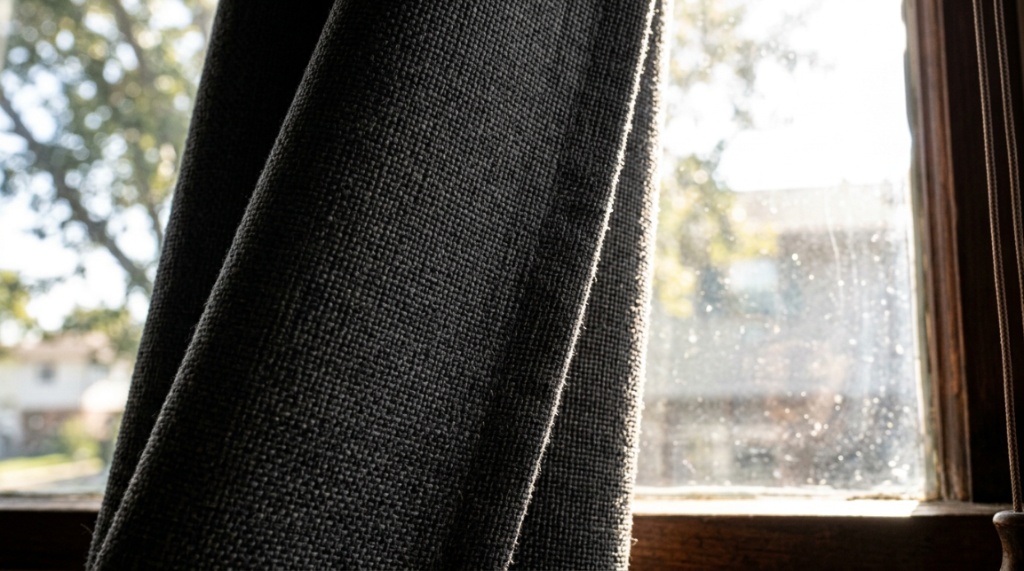
Fabric choice is the single most important factor in how well your curtains perform against heat. The goal is to find materials that are dense enough to block sunlight while also providing a barrier against heat transfer. You have several solid options, each with its own trade-offs.
Velvet and Heavy Polyester Blends
Velvet is one of the most effective fabrics for heat blocking. Its dense weave and thick pile trap air, creating natural insulation. However, velvet is heavy and can be difficult to clean. High-quality polyester blends with a triple-weave construction offer a more practical alternative. These fabrics are dense, durable, and resistant to humidity-related issues like mildew and warping. They also hold color well despite constant sun exposure, which is crucial in Florida.
Cotton and Linen — What You Need to Know
Cotton and linen are breathable and attractive, which makes them tempting choices. But they come with significant drawbacks in Florida. Cotton tends to absorb moisture from the humid air, which can lead to mildew growth over time. Both fabrics also allow more heat transfer compared to synthetic or blended options. If you love the look of natural fibers, choose a cotton blend that includes polyester and look for a separate thermal lining. That combination gives you the aesthetic you want without sacrificing performance.
Heat-Reflective and Insulated Options
Some modern blackout curtains include a metallic or aluminized backing designed to reflect radiant heat away from your windows. These are excellent for west-facing rooms that get brutal afternoon sun. Thermally insulated curtains typically feature multiple layers — often a decorative face fabric, a blackout interlayer, and a heat-reflective backing. These perform best in extreme climates because they address both solar radiation and conductive heat transfer.
How to Evaluate Blackout Lining Quality
Not all blackout linings are created equal, and this is where many buyers get tripped up. A lining can be a simple coating, a bonded layer, or a separate fabric insert. Understanding the differences helps you avoid wasting money on curtains that won’t hold up.
Coated vs. Woven vs. Bonded Linings
Coated linings involve a layer of acrylic or foam applied directly to the back of the fabric. These are common and affordable, but they can crack, peel, or become brittle over time — especially in Florida’s heat and humidity. Woven linings use a tight, opaque weave that provides blackout without chemical coatings. These are more durable and breathable. Bonded linings consist of a separate layer fused to the face fabric, offering the best durability and heat insulation. For Florida, woven or bonded linings are the safer long-term investment.
Why UV Protection Matters Beyond Light Blocking
UV rays are responsible for fading furniture, flooring, and artwork. The same rays also contribute to heat buildup. A quality blackout curtain should block the vast majority of UV radiation, not just visible light. Check product descriptions for UV-blocking percentages. Curtains with a UPF (Ultraviolet Protection Factor) rating of 50+ are ideal. Remember that even if a curtain claims to block 99% of light, it may still allow harmful UV rays through if it lacks a proper lining.
Color, Thickness, and Weave Density: What Actually Matters
When you’re staring at dozens of curtain options online, it’s easy to get lost in aesthetics. But certain physical characteristics directly impact heat-blocking performance.
Does Color Make a Meaningful Difference?
Yes, but not in the way you might think. Darker colors absorb more heat at the surface, which can warm the air trapped between the curtain and the window. Lighter colors reflect more solar radiation initially, helping to keep that microclimate cooler. However, the lining and fabric thickness play a larger role than surface color. A white thermal curtain will outperform a dark curtain without a lining. If you prefer darker colors, ensure the backing has strong heat-reflective properties.
Thickness and GSM Ratings Explained
Fabric weight is measured in GSM (grams per square meter). Higher GSM generally means a denser, more insulating fabric. For Florida heat, look for curtains in the range of 250–350 GSM or higher. This weight provides enough density to block light effectively and create a meaningful thermal barrier. Anything under 200 GSM is likely too thin to provide significant heat insulation on its own, regardless of its blackout claims.
Do Thermal Curtains Really Lower Energy Bills in Florida?
This question is at the top of every Florida homeowner’s mind. The short answer is yes — but the savings depend on several factors. Thermal curtains reduce the amount of heat entering through windows, which means your AC doesn’t have to work as hard to maintain your desired temperature. During peak afternoon hours on a sunny day, window heat gain can make up a large portion of your cooling load. By blocking that heat at the window, you reduce the demand on your HVAC system.
That said, curtains are not a replacement for energy-efficient windows. They work in addition to them. If you have old, single-pane windows, curtains will help noticeably. If you already have double-pane, low-E windows, the additional benefit from curtains is smaller but still worthwhile for comfort and glare reduction. Realistic expectations matter here — curtains help, but they don’t perform miracles.
How to Install Blackout Curtains for Maximum Heat Reduction
Even the best curtains will underperform if they’re hung incorrectly. Installation is where most people lose effectiveness without realizing it. A few simple adjustments can dramatically improve both light blockage and thermal performance.
Mount High and Wide
Install your curtain rod 3–4 inches above the window frame and extend it 3–6 inches beyond the window on each side. This prevents sunlight from leaking around the edges and also makes windows appear larger. For heat blocking, the wide mounting ensures no direct sun hits the glass at angles where the curtain panels end.
Overlap Panels to Prevent Light Gaps
A single gap between two curtain panels can let in significant light and heat. Choose curtains wide enough to overlap in the center by at least 2–3 inches when closed. Some curtains come with magnetic closures or hook-and-loop tape at the edges to seal this gap. If yours don’t, small adhesive magnets work well as a simple solution.
Use Tiebacks Only When You Want Light
During the hottest part of the day, keep your curtains fully closed. This sounds obvious, but many people pull them back for aesthetic reasons or to “let some air in.” If heat reduction is your primary goal, keep them closed from late morning through early evening, especially on west-facing windows.
Common Mistakes to Avoid When Buying Curtains for Florida
Making the wrong choice often comes down to a few recurring mistakes. Knowing what to avoid is just as important as knowing what to look for.
- Skipping the lining check: Just because a shop calls a curtain “blackout” doesn’t mean it has a proper thermal lining. Verify the construction before buying.
- Choosing lightweight fabrics: Sheer or lightweight curtains, even with blackout coatings, won’t provide meaningful heat insulation. Prioritize weight and density.
- Ignoring humidity resistance: In Florida’s humid climate, some fabrics attract mildew. Avoid fabrics that trap moisture without breathability.
- Forgetting about cleaning: Consider how the curtains will be cleaned. Some thermal-backing curtains cannot be machine washed. Check care instructions carefully.
- Picking curtains too small: Curtains that barely cover the window frame will leak light and heat around the edges. Measure carefully and order wider panels.
Comparing Popular Curtain Materials for Florida Conditions
| Material | Heat Blocking | Light Blocking | Humidity Resistance | Durability in Sun |
|---|---|---|---|---|
| Velvet | Excellent | Excellent | Good | Good |
| Polyester (triple-weave) | Very Good | Excellent | Excellent | Excellent |
| Cotton blend with lining | Good | Good | Moderate | Moderate |
| Linen | Poor | Poor | Poor | Poor |
| Faux silk with thermal backing | Good | Very Good | Good | Moderate |
As the table shows, triple-weave polyester offers the best overall combination of performance and durability for Florida’s conditions. Velvet performs exceptionally well but requires more maintenance and can feel heavy in a humid environment.
Washing, Care, and Longevity in a Humid Climate
Florida’s humidity affects everything you own, and curtains are no exception. Proper care extends their lifespan and maintains their heat-blocking performance. Many thermal curtains have special backings that can be damaged by heat — this includes both hot water and dryer heat. Always check the care label before laundering. Some curtains are dry-clean only, which adds to the lifetime cost. Others can be machine-washed on a gentle cycle with cold water and hung to dry. Avoid ironing curtains with thermal backings, as the heat can break down the lining material. For daily maintenance, vacuuming with a brush attachment removes dust without damaging the fabric, To explore more energy-saving tips and tricks, check out our guide on how to keep cool at home during peak summer months.
Frequently Asked Questions
What is the best fabric for blackout curtains in Florida?
Triple-weave polyester is widely considered the best fabric for Florida because it combines excellent light blocking, strong heat insulation, and superior resistance to humidity and sun damage. Velvet is also highly effective but requires more maintenance.
Should I choose light or dark colored blackout curtains for heat?
The lining matters more than the surface color. Light colors reflect initial solar radiation but a dark curtain with a heat-reflective backing still performs well. Prioritize a quality thermal lining over the surface color.
Can blackout curtains actually reduce my air conditioning costs?
Yes, blackout curtains with thermal insulation can reduce heat gain through windows, allowing your AC to cycle less frequently. However, the savings depend on your window type, home insulation, and how consistently you keep the curtains closed during sunny hours.
How much should I spend on quality blackout curtains?
Quality thermal blackout curtains typically cost between $50 and $150 per panel depending on size, fabric, and lining quality. Paying more usually gets you better fabric density and more durable linings, which matter in Florida’s extreme climate.
Are blackout curtains worth it for north-facing windows in Florida?
North-facing windows receive less direct sunlight, so the heat-blocking benefit is smaller. However, they still benefit from light control and added privacy. For these windows, lighter-weight blackout curtains may be sufficient.
Conclusion
Choosing the right blackout curtains for Florida heat doesn’t have to be overwhelming. Focus on fabric density, lining quality, and proper installation rather than just aesthetics. Heavy polyester with triple-weave construction, velvet, or treated linen blends will give you the best performance. Remember to mount curtains high and wide, overlap panels, and keep them closed during peak sun hours to maximize heat reduction. Paying attention to these details now means lower cooling costs, longer-lasting furniture, and a more comfortable home year-round. Take the time to measure your windows carefully and review lining specifications before you buy — your comfort depends on it.