
Living in Florida means dealing with humidity that never seems to let up. That same moisture that keeps your lawn green also creates the perfect breeding ground for mold, mildew, and bacteria inside your dog’s orthopedic bed. If you’ve noticed a musty smell or visible spots on your pup’s favorite sleeping spot, you already know the struggle. The good news is that with the right routine, you can keep your dog’s bed fresh, supportive, and hygienic even in the toughest subtropical conditions. This guide walks you through exactly how to clean orthopedic dog beds in Florida’s unique climate, what products actually work, and how to prevent moisture problems before they start.
Why Humidity Makes Orthopedic Dog Bed Cleaning Different in Florida
Orthopedic dog beds are built differently than standard pet beds. They typically contain dense memory foam, egg-crate foam, or high-density support foam designed to relieve joint pressure. That same thick foam that provides excellent support also acts like a sponge. In Florida’s high-humidity environment, the foam absorbs moisture from the air, from damp fur, and from accidents. Once moisture gets trapped inside, it creates ideal conditions for mold and mildew growth.
The result is more than just an unpleasant smell. Mold spores can trigger allergies and respiratory issues in both dogs and humans. Bacteria thrive in warm, damp environments, which means your dog could be lying on a surface full of microbes every night. Regular cleaning isn’t just about aesthetics—it’s a health necessity when you live in a subtropical climate.
Before you start cleaning, it’s worth understanding what type of orthopedic bed you own. Different constructions require different care approaches. If you’re unsure whether your current bed is even suitable for Florida living, you might want to review some guidance on cleaning orthopedic dog beds florida and choosing models that hold up better in humid conditions.
How Often Should You Clean an Orthopedic Dog Bed in Florida?
In most parts of the country, washing a dog bed once a month is sufficient. In Florida, that schedule isn’t aggressive enough. The combination of heat and humidity accelerates bacterial growth and odor development significantly.
Here’s a realistic cleaning schedule for Florida households:
- Spot clean: Every 2–3 days, especially if your dog goes outside frequently or has skin issues
- Wash removable covers: Every 1–2 weeks
- Deep clean the foam core: Every 4–6 weeks
- Full sanitization: Monthly during rainy season (June through September)
- Immediate cleaning: After any accident, vomiting, or if you notice any dampness
If your dog has allergies, skin infections, or is senior with incontinence issues, increase the frequency. The goal is to prevent moisture from ever penetrating deep into the foam, because once it does, removing mold from memory foam is extremely difficult.
Step-by-Step Guide to Deep Cleaning Orthopedic Dog Beds
Follow this process to thoroughly clean your dog’s orthopedic bed and eliminate the bacteria, allergens, and odors that Florida humidity encourages.
Step 1: Remove and Pre-Treat the Cover
Most quality orthopedic beds have removable, machine-washable covers. Unzip and remove the cover completely. Shake it outside to remove loose hair and debris. Pre-treat any visible stains with an enzyme-based cleaner designed for pet messes. Enzyme cleaners break down the proteins in urine, saliva, and drool far more effectively than regular detergents.
Step 2: Vacuum the Foam Core
Use a handheld vacuum or the upholstery attachment on your regular vacuum to remove hair, dander, and dust from the foam surface. Pay special attention to seams and corners where debris accumulates. This step is critical because it removes surface contaminants before you introduce any moisture to the foam, To keep your pet comfortable and safe all year round, make sure you also know why your Dog Needs Protection in Hot Weather.
Step 3: Spot Clean Stains on the Foam
Mix a small amount of mild dish soap with warm water. Dip a clean cloth into the solution, wring it out thoroughly, and gently blot any stained areas on the foam. Never soak the foam. Use minimal moisture and blot rather than scrub. Scrubbing can break down the foam structure and create permanent indentations.
Step 4: Deodorize with Baking Soda
Sprinkle a generous layer of baking soda over the entire foam surface. Let it sit for at least 30 minutes, preferably longer if the bed has strong odors. Baking soda naturally neutralizes odors without introducing harsh chemicals. Vacuum the baking soda completely afterward.
Step 5: Sanitize with a Pet-Safe Disinfectant
After the baking soda treatment, use a pet-safe disinfectant spray specifically formulated for fabrics and foams. Look for products that are free of bleach, phenols, and artificial fragrances. Lightly mist the foam surface and allow it to air dry completely. Do not use steam cleaners on memory foam—the heat and moisture can permanently damage the foam’s structure.
Step 6: Wash the Cover Properly
Wash the cover in cold or warm water using a gentle cycle. Use a pet-safe detergent that doesn’t contain brighteners or heavy fragrances, as these can irritate your dog’s skin. Add a cup of white vinegar to the rinse cycle—it acts as a natural fabric softener and eliminates lingering odors without leaving a vinegar smell once dry.
Step 7: Dry Everything Completely
This is the most critical step in Florida. The cover should be air-dried or tumbled on low heat until completely dry. The foam core should never go in a dryer. Air-dry the foam in a well-ventilated area, preferably outdoors in direct sunlight. Sunlight has natural antibacterial properties and helps kill mold spores. However, avoid leaving memory foam in direct Florida sun for extended periods because UV rays can degrade the foam and cause it to become brittle.
Make absolutely certain the foam is 100% dry before putting the cover back on. Even slightly damp foam inside a covered bed creates a sealed environment where mold will flourish within days.
Best Cleaning Products for Orthopedic Dog Beds in Humid Climates
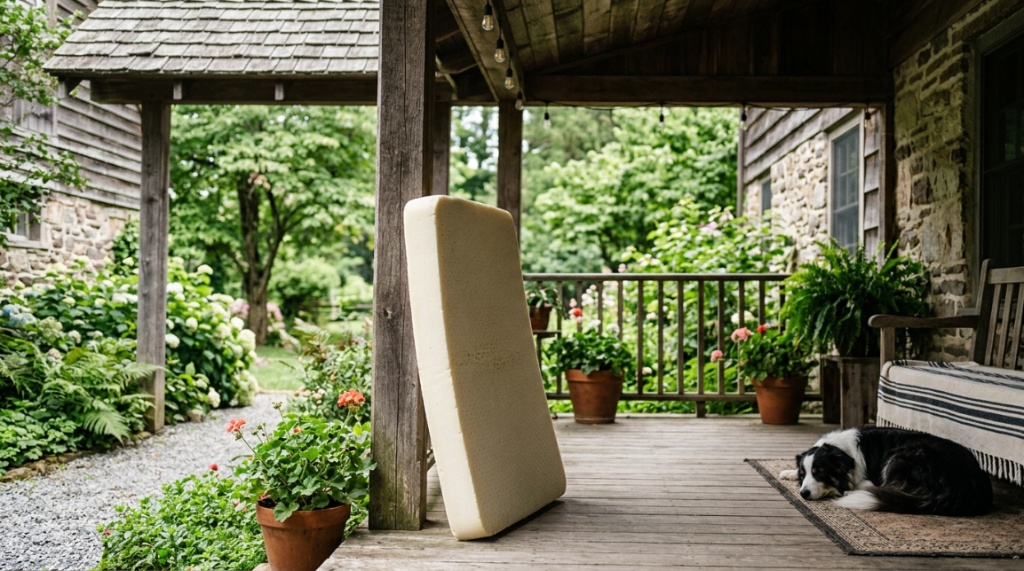
Not all cleaning products are suitable for orthopedic foam beds. Some contain ingredients that break down foam structure or leave residues that attract dirt. Here’s what works and what to avoid:
| Product Type | Why It Works | What to Avoid |
|---|---|---|
| Enzyme cleaners | Break down organic matter like urine and saliva | Bleach-based cleaners that damage foam |
| Baking soda | Neutralizes odors naturally and safely | Steam cleaners that trap moisture in foam |
| White vinegar | Kills bacteria and mold without toxic residue | Heavy chemical disinfectants with phenols |
| Pet-safe disinfectant sprays | Kill germs while remaining safe for animals | Fabric softeners that leave moisture-attracting residue |
| Mild dish soap | Removes surface grime without harsh chemicals | Oxygen bleach on memory foam |
One product you should never use on orthopedic foam is a carpet cleaning machine. The suction and moisture combination can saturate the foam deeply, and the extraction process can leave the foam misshapen. Stick to surface cleaning methods that control moisture levels.
Preventing Mold and Mildew in Florida’s Humid Climate
Cleaning is only half the battle. Preventing moisture from accumulating in the first place will save you time, money, and the frustration of replacing a bed that’s developed mold inside the foam.
Use a Waterproof Barrier
Invest in a waterproof mattress protector designed for dog beds. These thin, breathable barriers fit between the foam core and the cover. They prevent accidents, drool, and moisture from reaching the foam while still allowing air circulation. This single addition can extend the life of an orthopedic bed by years in Florida.
Elevate the Bed Off the Floor
Florida floors, especially tile and concrete, stay cool and can accumulate condensation. Placing the bed directly on the floor exposes it to this moisture. Use a raised bed frame or place the bed on a pallet or platform to allow air to circulate underneath. This simple change dramatically reduces moisture buildup.
Improve Air Circulation
During Florida’s rainy season, indoor humidity levels can exceed 70%. Run a dehumidifier in the room where your dog sleeps, especially during the summer months. If you don’t have a dehumidifier, use ceiling fans or portable fans to keep air moving around the bed. Stagnant air allows moisture to settle into fabrics and foam.
Dry Your Dog Before Bedtime
Florida dogs spend time outdoors, and they often come inside with damp paws, wet fur, or after a swim. Keep a towel by the door and dry your dog thoroughly before allowing them on their bed. This simple habit prevents a significant amount of moisture from transferring to the bed every single day.
Rotate the Foam Regularly
Flip and rotate the foam core every few weeks. This distributes wear evenly and allows any trapped moisture to escape from different surfaces. It also prevents permanent indentations from forming in the areas where your dog sleeps most.
Signs Your Orthopedic Dog Bed Needs Replacement
Even with perfect cleaning habits, orthopedic beds eventually wear out—especially in Florida’s demanding climate. Watch for these warning signs:
- Persistent musty odor that returns within days of cleaning
- Visible dark spots on the foam that indicate mold penetration
- Loss of support where the foam no longer bounces back after pressure
- Permanent indentations that reduce the bed’s orthopedic benefits
- Allergic reactions in your dog such as excessive scratching or sneezing
- Cover damage that exposes the foam to moisture
If mold has penetrated deep into the foam, cleaning won’t solve the problem. The mold spores will remain inside the foam structure and continue to release allergens. At that point, replacement is the safest option for your dog’s health.
Seasonal Cleaning Considerations for Florida
Florida’s climate varies significantly between seasons, and your cleaning routine should adjust accordingly.
During the rainy season (typically May through October), humidity levels are at their highest. Increase cleaning frequency and consider running a dehumidifier consistently. This is also the time when mold growth is most aggressive, so inspect the bed weekly for any signs of moisture or odor.
During the drier winter months, you can reduce cleaning frequency slightly. However, Florida winters still have higher humidity than most other states, so don’t let your guard down completely. Continue using the waterproof barrier and maintain good air circulation year-round.
Frequently Asked Questions
Can I put orthopedic dog bed foam in the washing machine?
No. Washing machine agitation will break down memory foam and high-density foam, destroying the structural integrity that provides orthopedic support. Always hand-clean the foam core and machine-wash only the removable cover.
How do I get urine smell out of an orthopedic dog bed?
Blot up as much urine as possible immediately. Apply an enzyme cleaner specifically designed for pet urine and let it sit for the recommended time. Rinse with minimal water, blot dry, then apply baking soda and let it sit overnight. Vacuum thoroughly and allow the foam to dry completely in sunlight.
Is it safe to use bleach on orthopedic dog beds?
No. Bleach breaks down foam structure, leaves toxic residues that can harm your dog, and the strong fumes are dangerous in enclosed spaces. Use pet-safe enzyme cleaners and disinfectants instead.
How long does an orthopedic dog bed last in Florida?
With proper care and a waterproof barrier, a quality orthopedic bed can last 3–5 years in Florida. Without protection from moisture, the lifespan drops significantly to 1–2 years because mold and foam degradation occur much faster in humid conditions.
Can I dry orthopedic dog bed foam in the dryer?
Never put foam in a dryer. The heat will melt or warp the foam structure. Always air-dry foam in a well-ventilated area, ideally outdoors in indirect sunlight.
What’s the best way to prevent mold in a dog bed during Florida summers?
Use a waterproof barrier between the foam and cover, elevate the bed off the floor, run a dehumidifier in the room, dry your dog before they lie down, and clean the bed on a consistent schedule. Prevention is far more effective than trying to remove mold once it establishes.
Conclusion
Cleaning orthopedic dog beds in Florida requires more attention than in drier climates, but it’s entirely manageable with the right approach. The key principles are controlling moisture, cleaning regularly, and using products that are safe for both your dog and the foam structure. Establish a routine that includes spot cleaning every few days, washing covers weekly, and deep cleaning the foam monthly. Invest in a waterproof barrier and keep air circulating around the bed. Most importantly, dry your dog before they settle in for the night. These habits will keep your dog’s bed fresh, supportive, and hygienic through even the most humid Florida summers. Your dog deserves a clean, comfortable place to rest—and with this routine, you can provide it year-round.